Why does your equipment stop working when the liquid flow isn't right? I have worked with dispensing pumps for eight years. I have seen little flow problems stall huge projects and cost money.
This post will use extremely simple language to explain. You will find out what a dispensing pump is. You will also learn how it works and where it is utilised. I will also teach you how to choose the correct pump step by step.
What Is a Dispensing Pump and Why Does It Matter in Industry
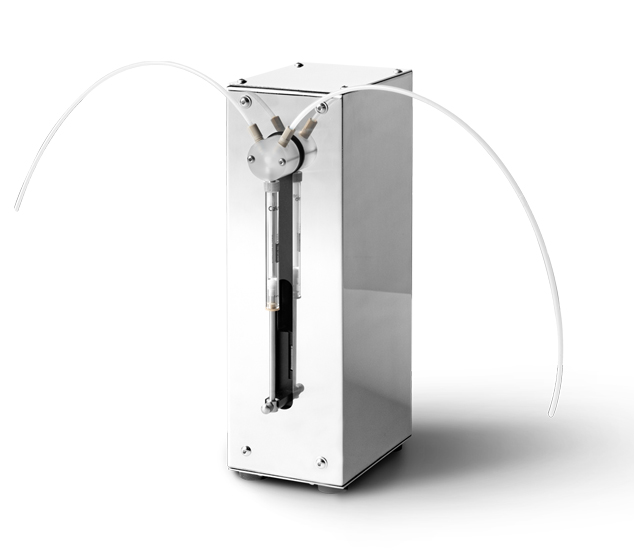
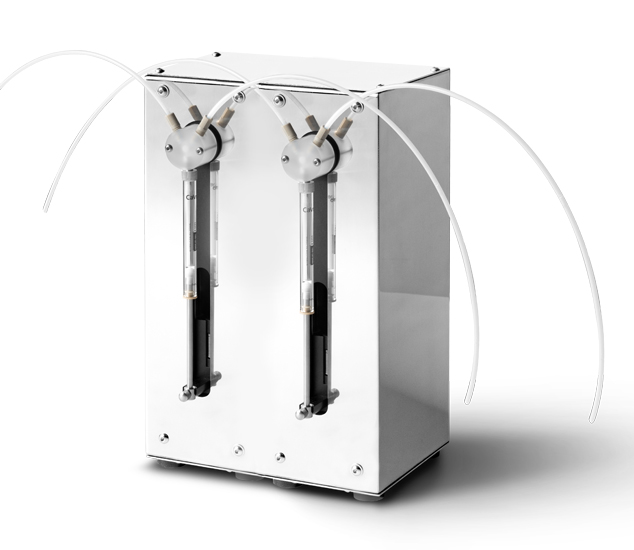
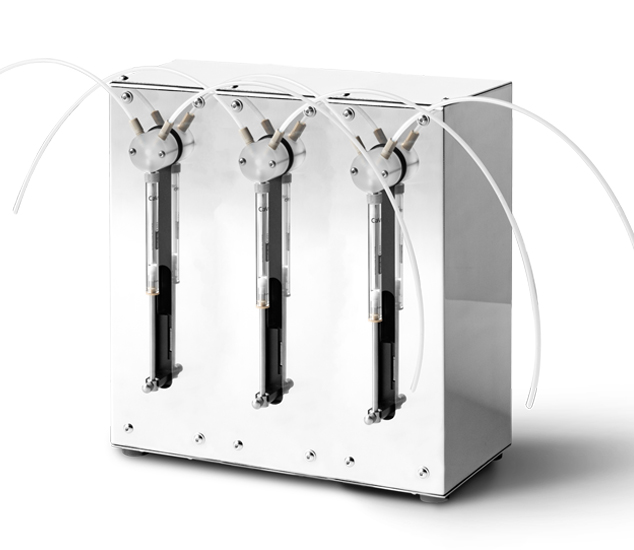
A dispensing pump is a tool that pumps liquid slowly and accurately. It transfers little quantities without making mistakes. It is utilised in industries, laboratories, and test systems. A liquid dispenser pump adjusts the flow so that the proper quantity of liquid comes out. A syringe pump makes the flow smooth. A high-precision syringe pump produces extremely tiny, accurate droplets.
A laboratory syringe pump is used to do safe work in the lab. A blood analysis pump helps check blood. It also assists in handling liquids in Chemistry analysis. For testing on air and water, an Environment analysis sampling pump is employed. A PTFE plunger seal syringe maintains the system secure and prevents leaks.
Core Features of Dispensing Pumps in Industry
|
Feature
|
Description
|
Benefit
|
Use Case
|
|
Flow Control
|
Controls how fast liquid moves
|
Gives better accuracy
|
Lab testing
|
|
Pump Type
|
Uses syringe system
|
Smooth liquid flow
|
Medical use
|
|
Material
|
PTFE seal used
|
Stops leaks
|
Chemical labs
|
|
Precision Level
|
Very small dosing
|
Exact results
|
Research work
|
How Do Engineers Select the Best Dispensing Pump for Their System?
Step by step, engineers choose a dispensing pump. First, they look at the kind of liquid. Some liquids are thick, while others are thin. Next, they figure out how much liquid they require and how quickly it should flow. A high-precision syringe pump is suitable for extremely tiny and accurate flows.
A liquid dispenser pump is useful for quick work in a manufacturing. They also look at how safe it is, how well it is built, and how simple it is to use. Making the incorrect option might lead to mistakes and harm.
Key Factors Engineers Must Evaluate Carefully
Engineers always check the liquid first. Some substances might hurt the pump. A syringe pump works well with clean, thin liquids. A PTFE plunger seal syringe helps keep strong or chemical substances from leaking and damaging things.
They also look at the size of the system, the flow speed, and the pressure. The system has to be able to suit the pump. They also look at automatic control since a lot of devices employ basic digital control.
Engineer Selection Criteria for Pumps
|
Criteria
|
Option 1
|
Option 2
|
Option 3
|
|
Fluid Type
|
Water
|
Chemical
|
Blood
|
|
Pump Type
|
Syringe
|
Peristaltic
|
Diaphragm
|
|
Accuracy
|
High
|
Medium
|
Low
|
|
Use Sector
|
Lab
|
Industry
|
Medical
|
Key Points Engineers Must Consider Before Final Selection
Always check what type of liquid will be used
Make sure the pump gives the right level of accuracy
Use safe and strong materials for long life
Match pump size with the system size
Pump Types and Performance Analysis
|
Pump Type
|
Accuracy
|
Cost
|
Use
|
|
Syringe Pump
|
High
|
Medium
|
Lab
|
|
Peristaltic
|
Medium
|
Low
|
Industry
|
|
Diaphragm
|
Low
|
Low
|
Basic use
|
When you require very precise results, syringe pumps are the best choice. Peristaltic pumps are cheaper and may be used in a lot of different ways. Although they are simple to operate, diaphragm pumps lack accuracy. To choose the dispensing best pumps, engineers must consider performance, requirement, and cost.
Which Industries Use Dispensing Pumps and Why Are They Essential?
Many companies use these pumps on a daily basis. It helps make sure that work is safe and right. A laboratory syringe pump is used in laboratories to test liquids one step at a time. A blood analysis pump enables hospitals safely look at blood.
An Environment analysis sample pump is used in environmental operations to gather air or water for testing. Chemistry analysis liquid handling devices enable chemical manufacturers safely combine powerful liquids. These pumps assist get better outcomes and stop mistakes.
Industrial Applications of Dispensing Pump Systems
There are various areas where pumps are employed. They assist examine blood and drugs carefully in medical laboratories. Chemical factories handle powerful substances in a safe way.
They collect and analyse water in environmental laboratories to make sure it is safe. They blend flavours in the proper amounts so that the taste remains the same as they cook. Every industry requires the correct pump to get the job done.
Industry Applications of Pumps
|
Industry
|
Pump Type
|
Function
|
Benefit
|
|
Medical
|
Syringe
|
Blood test
|
High accuracy
|
|
Chemical
|
Diaphragm
|
Fluid control
|
Safe use
|
|
Environmental
|
Sampling pump
|
Water test
|
Clean results
|
|
Food
|
Liquid pump
|
Mixing
|
Better quality
|
Key Benefits of Using Pumps in Different Sectors
Helps control liquid in a very exact way
Makes work safer when handling chemicals
Gives reliable and repeat results
Improves system speed and performance
Industry Needs vs Pump Types Performance
|
Industry
|
Best Pump
|
Advantage
|
Limitation
|
|
Medical
|
Syringe
|
Very accurate
|
Higher cost
|
|
Chemical
|
Diaphragm
|
Strong build
|
Less exact
|
|
Environmental
|
Sampling
|
Reliable
|
Medium cost
|
Different industries utilise different types of pumps depending on what they require. Medical job requires a lot of precision. Pumps that are powerful are needed for chemical operations. Sampling that is dependable is important for environmental work. Picking the proper pump may make the system safer, better quality, and work better as a whole.
What Are the Key Advantages and Limitations of Dispensing Pumps Today?
These pumps have many advantages and some minor limitations. It helps move liquid with very precise control. A high precision syringe pump delivers very small, clean flow. A liquid dispenser pump can speed up work.
But some pumps cost more upfront. They may also need simple care to keep working well. So before making a decision, engineers must weigh the pros and drawbacks.
Advantages and Disadvantages of Dispensing Pump Systems
These pumps facilitate work by offering accurate liquid control. They help conserve liquid because only the amount needed is used. They also help with auto work, so less handwork is needed.
These pumps are easy to use with simple control. But the first cost can be high. Some pumps need cleaning and checks. Setup can take a little time in new systems.
Pros and Cons of Pump Systems
|
Feature
|
Advantage
|
Disadvantage
|
Impact
|
|
Accuracy
|
Very high
|
Higher cost
|
Budget
|
|
Speed
|
Fast work
|
Setup time
|
Efficiency
|
|
Control
|
Easy to use
|
Needs training
|
Operation
|
|
Safety
|
Leak free
|
Needs care
|
Reliability
|
Key Advantages of Using Modern Pumps Today
Gives very high accuracy in liquid control
Helps reduce liquid waste and save cost
Supports automation and fast work
Works reliably for long time
Advantages vs Limitations Overview Analysis
|
Factor
|
Advantage
|
Limitation
|
Result
|
|
Cost
|
Good long-term value
|
High start cost
|
Smart choice
|
|
Accuracy
|
Exact results
|
Needs care
|
Better quality
|
|
Speed
|
Fast output
|
Setup time
|
Efficient work
|
These pumps assist cut down on waste and make things more accurate. They make systems work better and quicker. But they may cost more and need to be taken care of. Engineers need to look at both sides to get the ideal pump that will work well for a long time.
Real World Use of Pumps
|
Case
|
Industry
|
Result
|
Benefit
|
|
Lab test
|
Medical
|
Accurate data
|
Reliable result
|
|
Chemical mix
|
Industry
|
Safe flow
|
No leak
|
|
Water test
|
Environment
|
Clean data
|
Trust
|
|
Food mix
|
Food
|
Same taste
|
Quality
|
FAQs
What is a dispensing pump used for?
Liquid is dispensed in precise, tiny volumes using this pump. It is used in hospitals, industries, and laboratories to guarantee a constant, safe, and clean flow.
Why is a syringe pump important?
Smooth, consistent liquid flow is provided by a syringe pump. It helps in controlling minuscule quantities. In laboratories and hospitals, where precise findings are essential, it is significant.
What industries use dispensing-pumps?
These pumps are used in the food, chemical, medicinal, and environmental industries. They aid in the safe management of liquids, enhance quality, and guarantee that every procedure produces the identical outcome every time.
How do engineers choose a pump?
When selecting a pump, engineers take into account the size, pressure, flow rate, and kind of liquid. For a secure, simple, and seamless system, they weigh their alternatives and choose the best pump.
What is a PTFE plunger seal syringe?
It is a vital part of the pump that stops leakage. It maintains the system clean, safe, and functional for an extended period of time and works well with chemicals.
What is the benefit of high precision pumps?
Exact liquid flow is provided by high-precision pumps. They enhance results and help prevent errors. They are particularly helpful in small, precise work systems and laboratory tests.
Conclusion
Selecting the right dispensing pump is crucial. It keeps your system secure and functional. A good pump minimises waste, saves time, and provides proper flow. It also makes your job go more easily every day.
Choose a reputable company like Duko Industrial Technology (Shanghai) Co., Ltd. for the greatest outcomes. They provide robust and user-friendly pumps. Their goods are functional and long-lasting. Select the correct partner if you want better work and fewer issues.