Whenever you're in the lab, do you find that the flow of your liquid changes?
Are you saying that your test results don't change? In my 12 years of experience with lab pumps, I faced this situation on multiple occasions. A constant flow syringe pump is a simple solution for this.
This article will provide a basic explanation of a constant flow syringe pump. Let me explain you through the process, step by step. Types and their use will also be explored. I will advise you on which pump is most suited to your needs in the last section.
What Is a Constant Flow Syringe Pump?
A constant flow syringe pump is a machine that moves liquid at a steady rate. A motor softly moves the syringe forward. The steady flow of liquid is a result of its smooth and slow motion. Because an inaccurate result might be the result of even a little change, this is crucial in laboratory work.
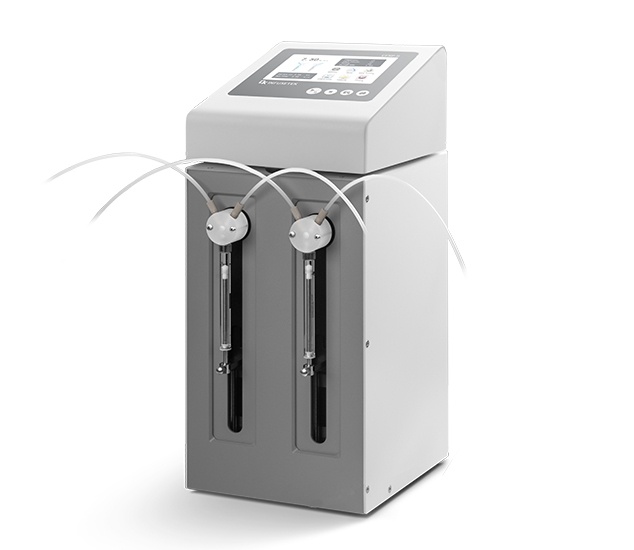
It is a daily staple at many research facilities, hospitals, and labs. It provides incredibly accurate results, making it an ideal syringe pump for chemistry labs and a syringe pump for pharmaceutical research.
It has no trouble controlling very small amounts of liquid. Also, it has the capability to operate continuously for a long period of time. That is why it built up trust and is used in different industries.
|
Parameter
|
Description
|
Typical Range
|
Use Case
|
|
Flow Rate
|
Speed of liquid flow
|
0.001–100 mL/min
|
Lab testing
|
|
Accuracy
|
How correct the flow is
|
±0.5%
|
Pharma research
|
|
Control System
|
Type of control
|
Digital
|
Automation
|
|
Power Source
|
Energy type
|
110–240V
|
Long use
|
How Does a Constant Flow Syringe Pump Work?
A constant flow syringe pump has a simple and efficient mechanism of work. A motor mechanism is used to propel the syringe plunger forward at a specified pace. The syringe pump flow rate of the liquid isn't changed by changes in speed. When doing tests in controlled conditions, this is a huge benefit.
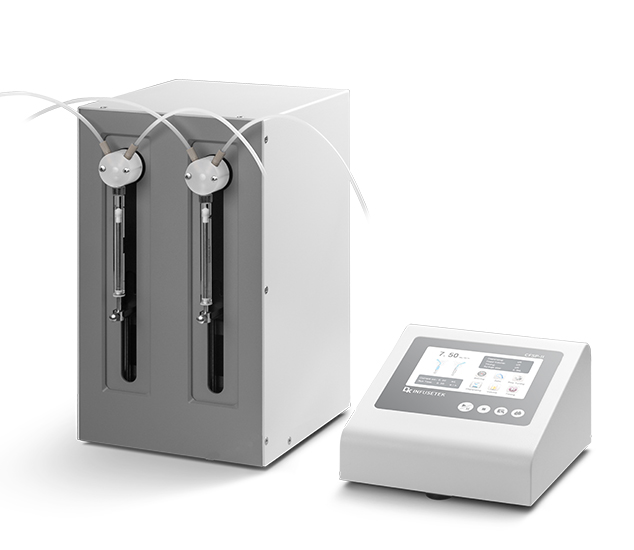
Users may simply adjust the syringe pump's speed, timing, and flow rate using the digital controller. Since the system is in charge of everything, it also helps cut down on errors. Lab users will find this to be an improvement in speed, ease, and accuracy of work.
Working Principle
The pump motor is quite precise. A small quantity of liquid is propelled forward with each stride. There will be a constant, smooth flow when these processes repeat. The movement is checked while keeping by sensors within the pump.
The system is quite good at adjusting to even a few changes. This makes it an ideal choice for use in labs that need a constant flow rate, such as continuous flow syringe pump for laboratory.
|
Component
|
Function
|
Benefit
|
Example
|
|
Motor
|
Moves plunger
|
Smooth flow
|
Lab pump
|
|
Controller
|
Controls speed
|
Easy use
|
Digital system
|
|
Syringe
|
Holds liquid
|
High accuracy
|
Medical lab
|
|
Sensor
|
Checks movement
|
Stable flow
|
Research lab
|
Key Points
Always produces a precise flow
Controlled digitally, user-friendly
Lowers the chance of error
Effective over extended periods of time
Comparison
|
Feature
|
Manual Pump
|
Constant Flow Pump
|
|
Accuracy
|
Low
|
High
|
|
Control
|
By hand
|
Digital system
|
|
Stability
|
Not stable
|
Very stable
|
|
Use
|
Simple tasks
|
Advanced work
|
In the laboratory constant flow micro pumps provide more accurate findings than manual pumps due to their consistent flow, improved control, and less variability.
Case Examples
|
Industry
|
Use
|
Result
|
Benefit
|
|
Pharma
|
Drug testing
|
Correct dose
|
Safe output
|
|
Chemistry
|
Reaction control
|
Even mixing
|
Better result
|
|
Biotech
|
Cell testing
|
Smooth flow
|
Good data
|
|
Medical
|
Infusion test
|
Controlled flow
|
Patient safety
|
What Are the Types of Constant Flow Syringe Pumps?
A wide range of constant-flow digital syringe pump systems is available, each suited for specific uses. Some of them are advanced or strong; others are just basic and easy to use. For example, a Multi-channel syringe pump can control many syringes at the same time.
In large-scale lab work involving many liquids, this is very helpful. There are pumps made for very low flow, which are ideal for work performed on small size. Before you choose, think about what you need, the kind for work it is, and how much money you have.
Types Overview
When it results to the basics, single channel pumps are all you need. When performing big work, multi-channel pumps are more efficient and time-saving. For specialized testing, programmable pumps let customers customize flow rates to their liking.
In microfluidic liquid control pump systems, for example, micro pumps are used when an extremely small flow of liquid is required.
|
Type
|
Feature
|
Use
|
Advantage
|
|
Single Channel
|
One syringe
|
Basic lab
|
Low cost
|
|
Multi-channel
|
Many syringes
|
Big tests
|
Fast work
|
|
Programmable
|
Custom settings
|
Research
|
Flexible
|
|
Micro Pump
|
Very small flow
|
Micro use
|
High precision
|
Key Points
Based on your job, choose a kind
The use of many channels reduces workload
Gain more control with programmability
Micro pumps provide pinpoint precision.
Comparison
|
Type
|
Cost
|
Complexity
|
Best For
|
|
Single
|
Low
|
Easy
|
Small tasks
|
|
Multi
|
High
|
Medium
|
Big labs
|
|
Programmable
|
Medium
|
High
|
Research work
|
|
Micro
|
Medium
|
High
|
Micro control
|
There are a variety of pumps, and each one has a specific use. The best solution will be based on your budget, the amount of accuracy required, and the kind of work.
Case Examples
|
Type
|
Industry
|
Use
|
Outcome
|
|
Single
|
School lab
|
Basic test
|
Easy learning
|
|
Multi
|
Pharma
|
Drug test
|
Fast result
|
|
Programmable
|
Research
|
Special flow
|
Better control
|
|
Micro
|
Biotech
|
Micro work
|
High accuracy
|
How to Select the Right Constant Flow Syringe Pump?
It is vital to your job that you choose the correct Constant Flow Syringe Pump. Time and effort are both saved and improved with a high-quality pump. You might lose time and energy if you utilize a wrong pump.
Before making a purchase, be sure to verify the control type, accuracy, and flow rate. Due to its accuracy and ease of use, a digital syringe pump controller is an excellent choose for modern labs. Be sure to choose a pump that's features are suitable for your task.
Selection Guide
Make sure it works for your job by first checking the flow rate range. Next, think about precision, as it creates better results.
Choose a digital system as it's less difficult and easier to manage. Before buying, be sure it's the right size and strong enough to last. Picking the right pump is as easy as doing these few tests.
|
Factor
|
What to Check
|
Why Important
|
Example
|
|
Flow Rate
|
Range
|
Match your work
|
Lab test
|
|
Accuracy
|
Precision
|
Better results
|
Pharma
|
|
Control
|
Digital
|
Easy use
|
Automation
|
|
Size
|
Compact
|
Space saving
|
Small lab
|
Key Points
Stay in sync with the work at hand at all times.
If you want better outcomes, choose high accuracy.
Smarter and simpler is digital control.
Ensure durability by checking the quality.
Comparison
|
Option
|
Basic Pump
|
Advanced Pump
|
|
Cost
|
Low
|
High
|
|
Features
|
Few
|
Many
|
|
Accuracy
|
Medium
|
High
|
|
Use
|
Simple
|
Research
|
High precision, more features, and greater control are the reasons why advanced pumps are superior for serious work.
Case Examples
|
User
|
Need
|
Solution
|
Result
|
|
Student
|
Basic test
|
Simple pump
|
Easy learning
|
|
Lab
|
High accuracy
|
Digital pump
|
Good data
|
|
Pharma
|
Safe testing
|
Advanced pump
|
Reliable result
|
|
Research
|
Custom flow
|
Programmable
|
Best output
|
FAQs
What is a Constant Flow Syringe Pump?
A constant flow syringe pump is a mechanism that pushes liquid at a set pace. It helps laboratories in consistently producing reliable findings.
Used in labs
Gives steady flow
High accuracy
Where is it used?
Hospitals, research facilities, and laboratories use it. This helps in control of liquid flow during creative experiments.
Pharma labs
Chemistry labs
Medical use
What types are available?
Types of pumps include micro, programmable, multi-channel, and single-channel pumps, each designed for a particular use.
Single
Multi
Programmable
How to choose the right one?
The accuracy, flow rate, and control type should all be checked. Choose a pump that serves your needs and delivers great work.
Check specs
Compare types
Choose digital
What industries use it?
It is used for testing and research by many companies, such pharmaceutical, biotechnology, and chemical labs.
Pharma
Biotech
Chemical
Is digital control better?
Yes, digital control is more precise and user-friendly. In automation, it is also useful.
Easy control
High accuracy
Smart system
Conclusion
You have a constant flow syringe pump, which is an applicable machine to keep for such lab. It Expels Liquid at A Constant Rate all the time. The flow remains unobstructed and steady. This makes your tests correct, saves your time as well.
It is basically used by places like pharma labs, research labs, and medical labs. Choosing pump is the key to doing a good job, Two steps down the road is a company called Duko Industrial Technology (Shanghai) Co., Ltd. and they are making very high power pumps that you overdo often.
They are very user-friendly with a long and effective life. If you want to see the best results with minimal work, go for a good trusted brand! You get to upgrade your sales and your lab right now.